
“Are You Adapting? Pivot > Group Managing Director Jeremy Lee on Managing Volatility in the Modern Ag Economy”
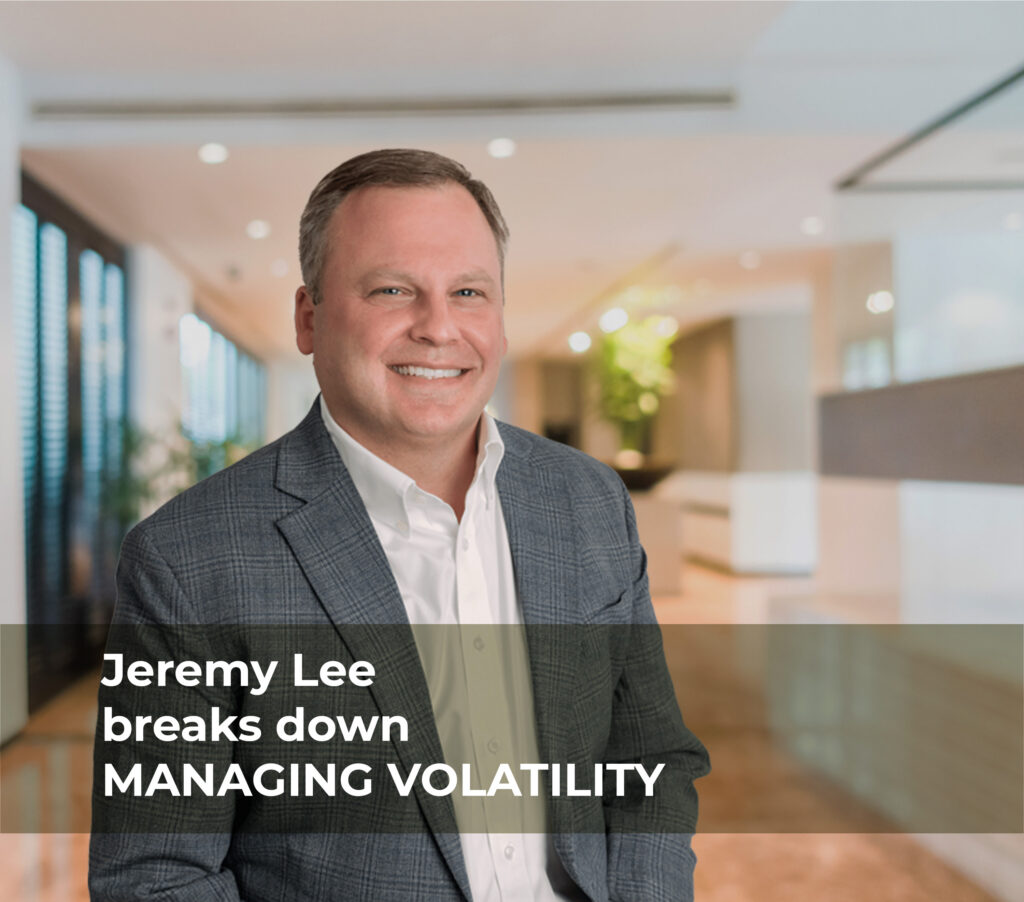
Agriculture is dynamic, asset-heavy and deeply personal. For Jeremy, that complexity is exactly what makes the industry meaningful.
With operational and financial experience across food and agriculture, Jeremy works alongside lenders and producers to identify where risk is building — and how to reposition businesses before temporary pressure becomes structural stress.
Below, he shares what drew him to the industry, what he’s seeing in today’s financial environment and why disciplined adaptation matters more than ever.
Q: What drew you to working in agriculture and food systems?
JL: What drew me to agriculture is how incredibly diverse and dynamic the food supply system truly is. Agriculture is not just one industry, it spans across a multitude of production and manufacturing segments, operates under different cost structures, risk profiles, regulatory environments and market pressures.
The business dynamics are constantly evolving. Weather patterns shift. Labor availability changes. Trade policy moves markets overnight. Input costs rise and fall. Consumer demand reshapes supply chains.
I was drawn to the challenge of bringing structure to that volatility. Agriculture businesses are often asset heavy, margin sensitive and deeply personal to the families and stakeholders involved. Helping operators and lenders understand where value is created, where it is leaking and how to reposition capital and operations to strengthen the enterprise is meaningful work.
Q: Where are you seeing the greatest strain in farm balance sheets today?
JL: The greatest strain today is not solvency. It is liquidity. Across many operations and agricultural subsectors, working capital has been steadily eroded by multiple years of compressed margins, higher input costs and elevated interest rates.
Balance sheets may still look healthy but cash flow flexibility has diminished, which is where stress shows up first. Strong collateral does not equal strong liquidity. That disconnect is where most risk sits today.
Q: How are interest rates and lender behavior changing the way farmers finance operations and growth?
JL: Higher interest rates and tighter credit standards have fundamentally changed how agricultural operations finance both day-to-day activity and long-term growth.
Operating lines are under greater scrutiny, renewals take longer and lenders are placing more emphasis on cash flow coverage, working capital and liquidity metrics rather than collateral value alone. Reduced access to operating capital can turn what may have been a cyclical downturn into a structural problem.
Q: What is one common misconception about the current state of agriculture that can lead stakeholders to delay intervention?
JL: “The most common misconception is that stable land values mean operations are healthy. Land values support collateral, but they do not fund operations.
Liquidity, not net worth, determines whether a business can withstand volatility over a down trending period. Early recognition of cash flow stress allows for far more constructive solutions than waiting until balance sheet issues become visible.
Q: How are producers responding to the current environment?
JL: Producers are no longer optimizing purely for agronomics or yield but also for labor reliability. That has driven more mechanization, greater reliance on H2A programs and higher fixed costs tied to housing, transportation, compliance and year-round retention.
Producers who proactively address capital structure, maintain realistic break-even analysis, preserve working capital and communicate early with lenders retain significantly more strategic options.
The next year is about liquidity management and lender alignment, not just production outcomes.
Q: What keeps you engaged in this industry, even during difficult cycles?
JL: Agriculture is cyclical by nature. Volatility in commodity prices, labor shortages, weather events, trade disruptions and capital constraints are constants. Helping families and businesses navigate those inflection points with clarity and structure is what drives that engagement.
Well run operations that manage risk, cost structure and capital allocation properly can emerge stronger. Helping clients reposition their businesses for long-term value creation is what sustains my commitment to this industry.
The Through Line
In agriculture, adaptation isn’t optional, it’s the difference between surviving a cycle and preserving the strength to grow again.