
Pivot > Managing Director Seth Wellisch on navigating multi-party negotiations and finding workable paths forward in complex property situations.
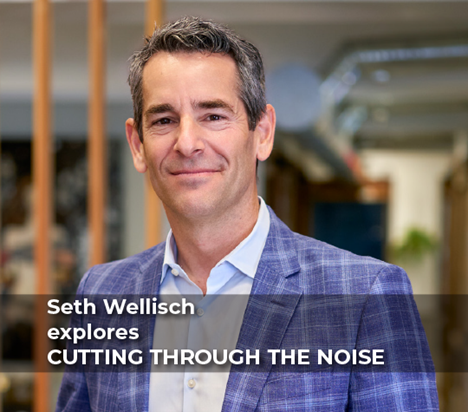
Real estate, especially in complex or distressed situations, rarely presents problems at face value. For Seth Wellisch, the real work is cutting through assumptions to get to the real way forward.
Below, he shares how he reframes problems, balances competing interests and the lessons that continue to shape his approach to deals and asset strategy.
Q: Have you ever walked into a property or portfolio and realized the core issue wasn’t what everyone thought it was? What shifted your perspective?
SW: I love this question because I feel like this happens all the time and not just with real estate but with everything.
When you are brought into a resolution opportunity (whether it be improving a property, settling a dispute, selling a building, etc.), you are provided with the historical perspective of the person or people who are introducing you to the situation. Their position is often: “this is objectively what’s happening.”
Sometimes that’s true, oftentimes it’s not. It’s important to listen to the information, benefit from knowing the history, but draw your own conclusions about the right way forward.
Always good to remember: if everybody already knew the right thing to do, we wouldn’t be here.
Q: What’s a deal where you had to balance competing objectives? How did you manage those tradeoffs?
SW: Every deal contemplates this kind of compromise. There are always interests to balance between stakeholders.
In “regular way” real estate there are fewer interests to balance: buyer v. seller or tenant v. landlord, and lender may or may not be a factor. But in distress, there are numerous parties to balance: borrower v. lender 1 v. lender 2 v. unsecureds v. other professionals. The competing objectives become orders of magnitude more difficult to resolve.
The resolution work at Block 216 in Portland was a great example. The way forward required the borrower (1 decision maker), 1st TD holder (1 decision maker), 2nd TD holder (50+ decision makers), the equity (~30 decision makers), the hotel manager and 4 lenders who held security interests in other properties to all pull in the same direction. Not easy!
Q: What’s a lesson you learned early in your real estate career that continues to shape how you approach deals and asset decisions today?
SW: Early in my real estate career, I learned that relationships are everything. The people you surround yourself with create a kind of “hive mind” that allows you to tackle any project, and it’s ultimately my network that makes me an expert.
I also believe your capabilities shouldn’t be limited by your job description—you should always be learning, expanding your skill set, and taking on new challenges every day.
Q: In your experience, when lenders or bankers are evaluating a complex or distressed real estate situation, what early strategic steps make the biggest difference in outcomes?
SW: Focus on first principles. The situation is complicated, but the goals are simple. “I want to sell this property”, “I need to mitigate this deficiency”, etc. Start at the desired outcome and build your strategy backward from there.
Q: What do you enjoy most about working in complex or distressed real estate situations, and what keeps you motivated in this kind of work?
SW: I enjoy working on complex matters because I am always learning something new. No matter how long I’ve done this and how many different situations I’ve seen, there’s always something unique about the next one.